LOADING . . . PLEASE WAIT

Tweakment Finder TWEAKMENT
FINDER
CLOSE

WHAT'S BOTHERING YOU

CHOOSE AN AREA OF THE FACE OR BODY TO CHECK OUT YOUR SKINCARE AND TWEAKMENT OPTIONS

Toxins / Wrinkle-Relaxing Injections

alice avatar

Written by: Alice Hart-Davis

Updated by: Becki Murray

Last Updated: 30 October 2025

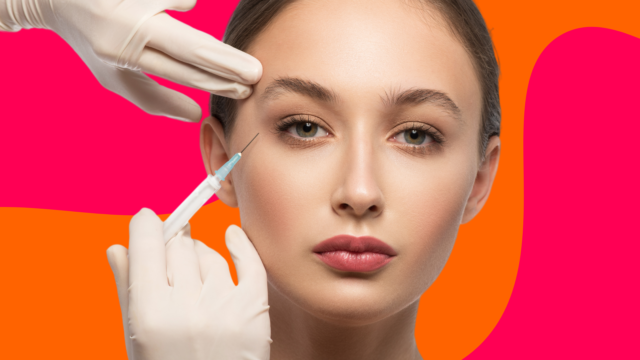
Toxins – or botulinum toxin A if you want to get technical – are one of the best-known categories of drug in the world. For cosmetic purposes they are primarily used as wrinkle-relaxing injections, where the neurotoxins (poisons that damage or destroy nerve connections) are injected to reduce the ability of specific muscles to contract, and thus relax wrinkles in the skin above those muscles.

However, toxins have a number of other uses cosmetically and medically too. For example, as well as softening wrinkles, they can help reduce tension in tight jawlines and around your neck and shoulders, specifically the trapezius muscle (remember ‘Barbie Botox’) and for tackling headaches. You can have toxin injections to control excessively sweaty hands and armpits too, as they work by blocking the activation of your sweat glands.

Of the number of brands on the market, Botox is certainly the best-known and most commonly used by practitioners. However, there are other options out there. Whichever type you choose, toxin is extremely popular in the aesthetics world due to its relatively cheap cost (compared to a surgical face-lift, for example), reliable results, minimal pain level, and the short time it takes to perform the procedure. Scroll down for all the toxins FAQs.

CATEGORY

Injectables

EXPECT TO PAY

£ 200 - 300

Icon Ttg Time

TWEAKMENT TIME

10-30 minutes

Icon Ttg Longevity

LONGEVITY

2 - 6 months

Icon Ttg Anaesthesia

ANAESTHESIA

None

Icon Ttg Downtime

DOWNTIME

None

Enter your postcode

What I think about Botox in your 20s

What can toxin be used for?

There are so many ways in which toxins can be used, but some of the more common ones are:

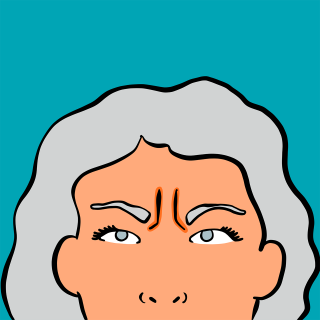
  • The ‘eleven’ lines between the eyebrows.
  • Crow’s feet wrinkles at the sides of the eyes.
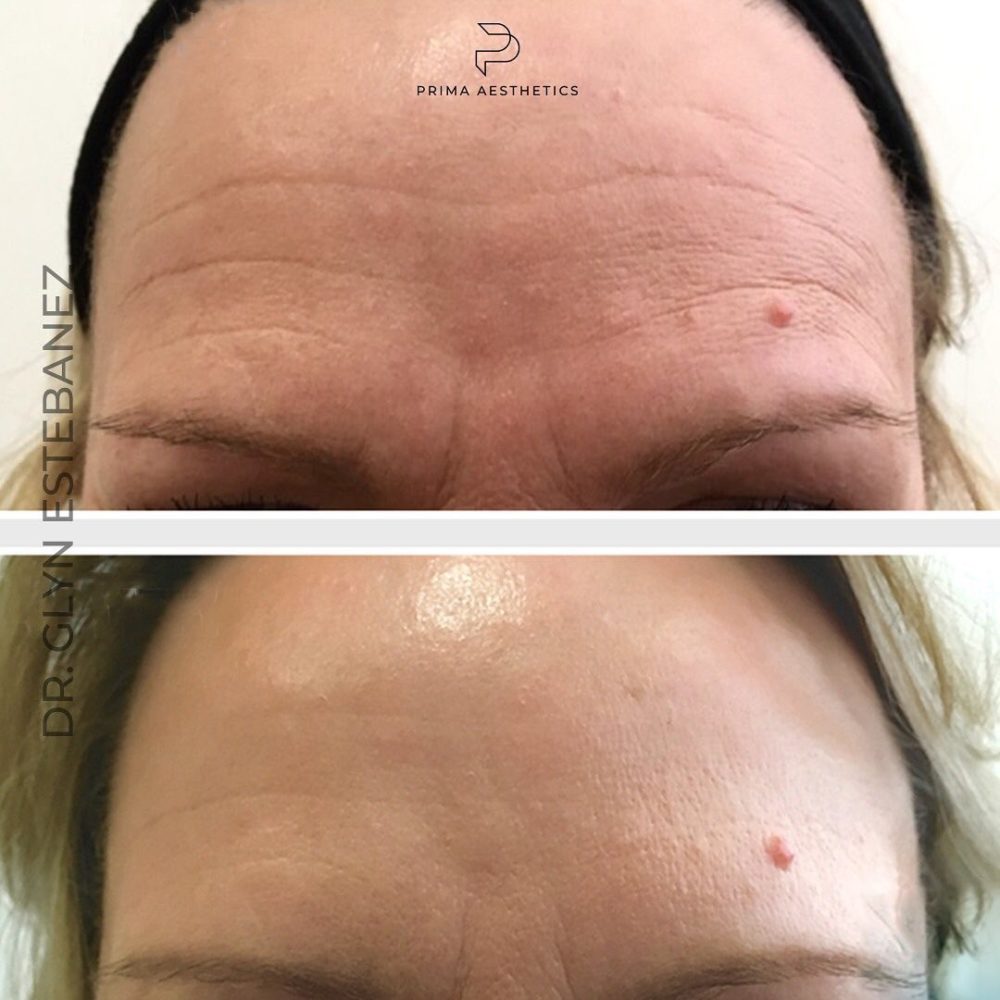
  • In the forehead, to soften horizontal lines
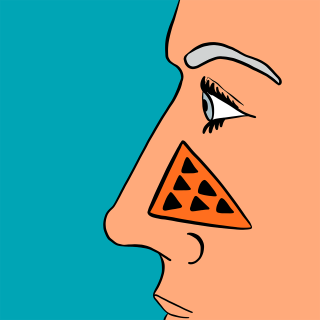
  • In the ‘bunny lines’, the horizontal wrinkle-lines at the top of the nose.
  • In the jaw, to reduce muscle clenching of the masseter, the main chewing muscle
  • In the trapezius muscle to reduce muscle tension around the neck and shoulders
  • In the chin, to relax a ‘cobblestone’ chin
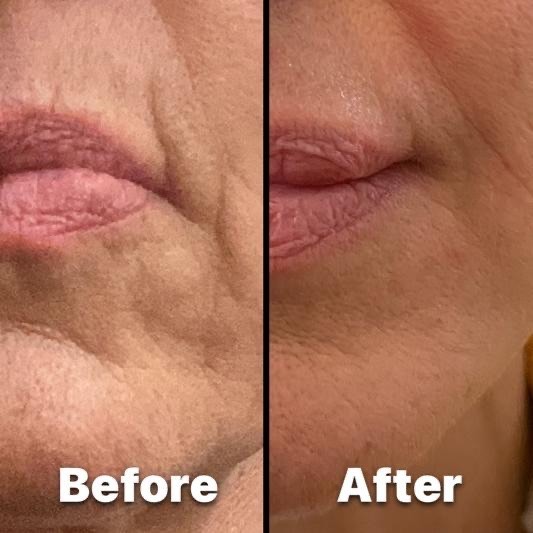
  • Beneath the corners of the mouth, to reduce a habitual grumpy downturned-mouth expression.
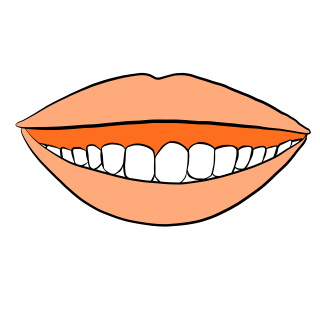
  • In the upper lip, to reduce the lip retraction which makes a smile look ‘gummy’
  • In the neck, to soften a stringy-looking neck or to make it appear longer and slimmer.
  • In the armpits, hands or feet, to help tackle excessive sweating

For more uses, including toxins as a treatment for depression, download my full toxins factsheet.

How do toxins as wrinkle-reducing injections work?

When used for wrinkle-relaxing injections, toxin is injected into the muscles of the face to soften the appearance of frown lines and other ‘dynamic’ wrinkles which form where we use facial muscles to make expressions. (When you raise your eyebrows and your forehead crinkles, those are ‘dynamic lines’). Botulinum toxin A interferes with the transmission of nerve impulses that tell muscles to contract, by blocking the acetylcholine receptors in the muscle. This means toxins reduces the ability of these muscles to contract, so it can soften frown lines, lift downturned corners of the mouth, or smooth a stringy or wrinkly neck. The product is injected into the muscles responsible for making these expressions, to weaken them for three-six months.

Do toxins for wrinkle relaxation work?

Yes. Treatment with toxins is straightforward and effective. The main question is whether you would like the results. To end up with a result you’re happy with, you need to find a sympathetic practitioner who will listen to what you want in terms of treatment (rather than simply doing what they always do or what they think would be best for you) and discuss it all thoroughly before moving on to treatment. For more, read my blog about Five Questions to Ask before getting toxins.

How do toxins work for reducing tension?

As well as softening wrinkles, toxins can be injected into areas that are prone to tension, such as the jawline and trapesius muscle, to provide fairly instant but temporary relief for teeth-grinders and desk-workers with poor posture. They work by inhibiting nerve cell communication in the areas injected, leading to the relaxation of the muscles, which can also shrink over time. This reduces knots and pain, as well as leading to the appearance of a slimmer neck and shoulders.

What brands of toxin are there?

Toxins are prescription-only medications, so technically brands are not legally allowed to promote their products to the public. However, that doesn’t mean brand names aren’t known and it’s good to know what options are out there. In fact, you may think that one product – Botox – is actually a catch-all term for toxins so prevalent is its use (a bit like Hoover for vacuum cleaners). However, it is a brand name, which is why it always has a capital B. Other botulinum toxins branded for cosmetic medical use include Azzalure, which is the EU version of the neurotoxin elsewhere called Dysport, and BoCouture.

Like Botox, these compounds derived from the neurotoxin called ‘Botulinum Toxin Type A’. The three branded compounds contain the same amount of the active ingredient, but the compounds differ from each other chemically – for example, Azzalure/Dysport and BoCouture contain fewer proteins than Botox.

Studies so far indicate that there is little if any difference in effect between Botox, Azzalure/Dysport, and BoCouture. That said, your practitioner may feel that one neurotoxin is more suited to your needs than another. For example, Azzalure/Dysport spreads out further from the injection point than toxins does; this difference is sometimes helpful, sometimes not helpful, and sometimes moot.

Can toxins treat excessive sweating?

Yes – toxins are actually FDA-approved for treating excessive sweating, specifically when injected into the armpits. They have been shown to work for sweaty hands and feet too. They can reduce sweat production in a targeted area when injected there by blocking the release of the neurotransmitter that signals the sweat glands to produce sweat, tackling excessive sweating at its source.

RELATED CONCERNS


Barcode Lip Lines

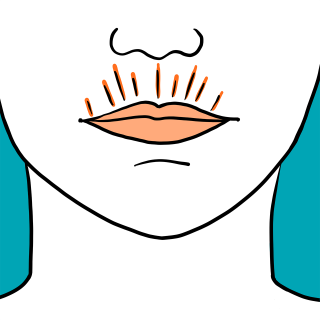
The ‘barcode’ lines are the little vertical lines above the upper lip that run vertically downward into the lip. These lip lines are...

Read More
Crow's Feet Wrinkles

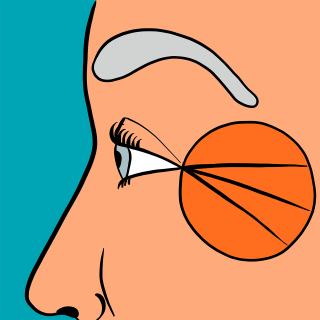
Crow’s feet are the fine lines that radiate out from the outer edges of your eyes. They’re often given other names, such as ‘laughter...

Read More
Frown Lines

Frown lines, also known as ‘eleven’ lines (or ‘glabellar lines’, as doctors call them) are those vertical creases that appear...

Read More
Gummy Smile

A “gummy smile” is the colloquial term used to describe an excessive exposure of the gums when you smile. In medical terms this is...

Read More
Large Pores

Ideally, we would all like to have skin that’s smooth, firm, pliable, and nicely hydrated, with small, nearly-invisible pores. But some...

Read More

What is it like to have toxin injections for wrinkle relaxation?

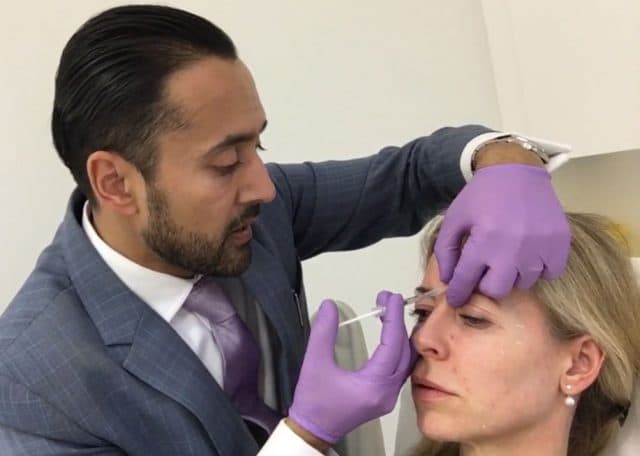
I’ve had enough toxins with different doctors over the past 15 years to know good injectors when I find them, and Dr Tapan Patel, who spends a lot of time teaching toxins masterclasses to other practitioners, is one of the very best. He takes pictures of my face – at rest, smiling, frowning, and gurning – to see which of my face muscles are overactive. He then injects tiny amounts of toxin into the muscles that produce that annoying pleat of skin between my eyebrows, and even less into the ones that lift my brows up and down. He does it so calmly and carefully that I barely feel the needle – and that’s without anaesthetic. It takes all of 10 minutes.

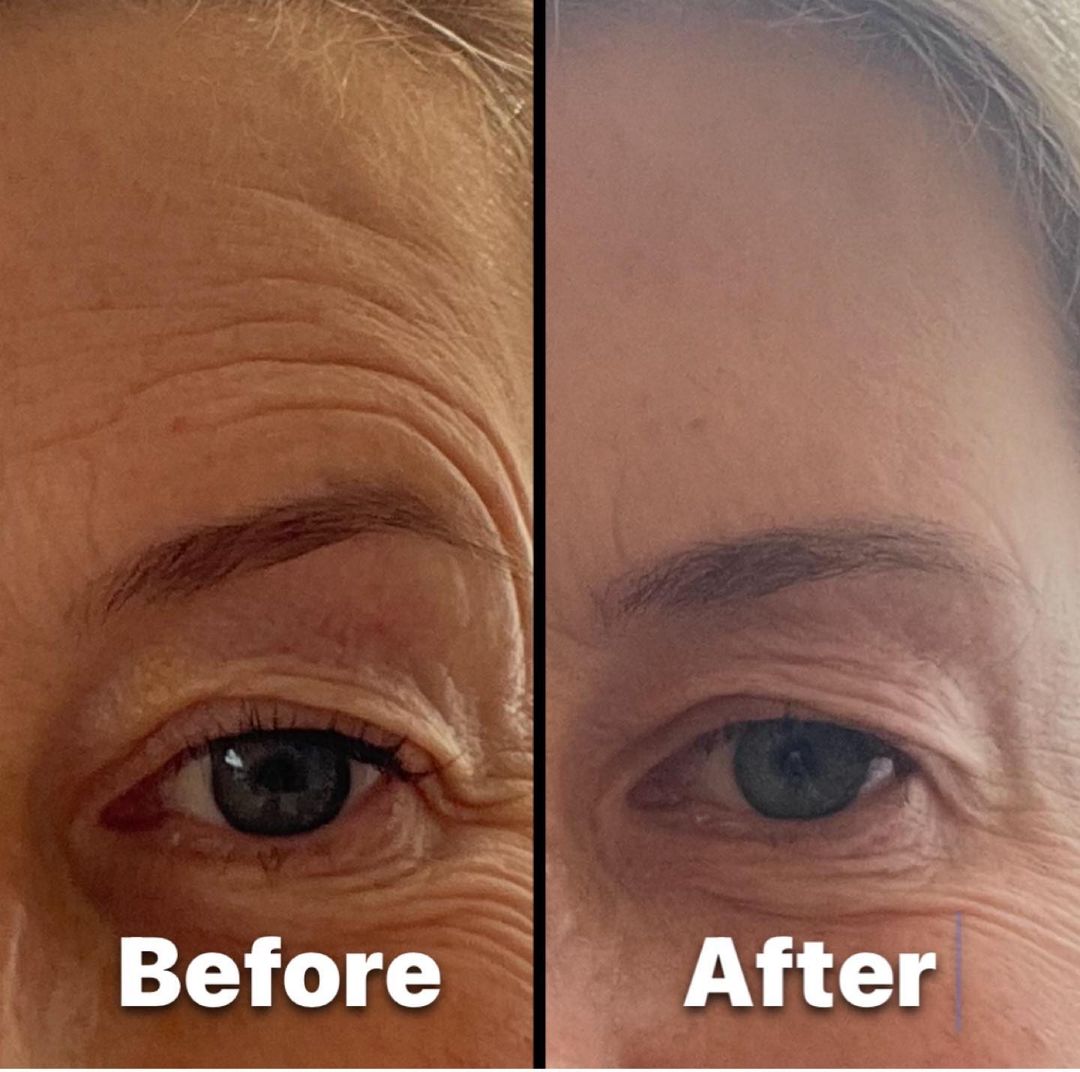
The toxins begins to kick in after four days. It feels as if my forehead is becoming sluggish when I try to move it. But that’s what I want. After two weeks, when I return to be assessed, my face looks terrific. The frown-pleat between my eyebrows is smoothed away, but I can still show interest by lifting my eyebrows, just not as much as before. And he’s done it without giving me the dreaded ‘Joker’ eyebrows, which shoot up too sharply at the corners. Magic. Over the next two months, the lines on my forehead almost vanish, because the skin isn’t constantly being squeezed up into furrows, and it is four months until I need to go back for more.

wrinkle relaxing injections

Where can I get wrinkle-relaxing injections?

Toxins are prescription-only drugs, so have to be supplied by a medical professional who is qualified to prescribe — in the UK, that means a doctor, a surgeon, a dentist, or a nurse-prescriber (a qualified nurse who has taken a further course to become a non-medical prescriber). Prescribing pharmacists can also prescribe toxins, and many are taking training courses in injecting the toxin, too.

The injections can legally be given by someone working under the supervision of that qualified professional, though the prescriber is the one who takes responsibility for the treatment. The makers of wrinkle-relaxing toxins are scrupulous about only supplying their products to medical professionals.

You can use the Find a Practitioner tool on this website (follow the link here) to find a practitioner who offers wrinkle-relaxing injections.

How much does toxins cost?

This varies depending on how many areas you have treated, but expect to pay from £150 per area (the lines between the eyebrows is one ‘area’, the crow’s feet are another ‘area’, horizontal lines on the forehead are a third ‘area’) at a reputable clinic and £450 or more for a top practitioner. Bear in mind that prices at prestigious clinics at prestigious addresses, like Harley Street in London, will be higher than elsewhere.

Download my guide to toxins for an insider tip to keeping the cost down while still getting the best treatment.

Are there any side effects to toxin injections?

The main issues with toxins stem from over-treatment. Aesthetically, too much of it results in a frozen-looking face that can’t express emotion. If muscles are poleaxed with toxins for too long or too often and don’t get a chance to regain their full range of motion, they may begin to waste away through lack of use. Inexpert injecting can lead to drooping (ptosis) of the eyelid or brow, which will last until the effects of the toxin start to wear off — another good reason for starting with a low dose.

Other side effects may include:

Bruising or bleeding at the injection site. As with any injections and depending on how easily you bruise, these bruises may take a week or so to clear up.

Drifting from the injection site. The product can drift a little from the injection site, but usually not by much, and only within the first hour after injection. Practitioners used to advise you not to lie down for four hours after treatment. This is now thought to be unnecessary and overly cautious, but don’t rub the treated area, or have a facial massage, for a day or two afterward

How long does toxins last?

Toxins last from two to six months, depending on how much is used and the level of muscle activity in the area. A very light treatment with toxins, perhaps described as ‘baby toxins’ or a ‘microdose’ of toxins, will be wearing off after two months. An average treatment will last for three months. A stronger treatment of more toxin will give a more obvious result (i.e. it will pretty well stop all movement in the area where it is injected) but will last for five or six months. For a deeper dive into this topic, here’s a blog post on How Long Does toxins Last?

Wrinkle-relaxing injections – Before and afters


Dr Stefanie Williams

Cosmetic Dermatologist

Eudelo Dermatology & Skin Wellbeing, 86 Sloane Avenue, London, SW3 3DZ

Dr Stefanie Williamsis a dermatologist and medical director of EUDELO Dermatology & Skin Wellbeing, a multi-award winning skin clinic with two locations in...

Dr Harriet Turnbull

Cosmetic Doctor

Light Centre Belgravia, 7-9 Eccleston Street, London, SW1W 9LX

Dr. Harriet Turnbull (BMBS Hons, MRCGP) has been practicing Aesthetic Medicine for over eight years, seamlessly integrating her experience as a General...

Dr Bryony Elder

Cosmetic Doctor

Ametrine Aesthetics AM, Space Ground Floor Siemans House, Carliol Square, Newcastle Upon Tyne, NE1 6UF

Dr Bryony Elder is the Clinical Director and founder of Ametrine Aesthetics, a leading aesthetics clinic in Newcastle upon Tyne. Her journey in aesthetics...

Dr Matthew Jarvie-Thomas

Cosmetic Doctor

The Cosmetic Skin Clinic, 98 Harley Street, London, W1G 7HZ

Dr Matthew Jarvie-Thomas MA (Oxon), BM, BCh, is a Cosmetic Doctor who was trained and mentored by Dr Tracy Mountford, founder of The Cosmetic Skin Clinic....

FAQ ABOUT Toxins / Wrinkle-Relaxing Injections


Are wrinkle-relaxing injections safe?

As wrinkle-relaxing injections use nerve toxins that someone else is going to inject into your face, they are not without risks. However, it is widely accepted that, when administered by a skilled and responsible practitioner, you have nothing to fear. As with any poison, the effect depends on the dose: neurotoxins can be lethal in large amounts – but then, so can paracetamol or aspirin. Also, because of their toxic nature and widespread usage, there have been a lot of studies done to ensure their safety.

In the UK, toxins and the other neurotoxins are prescription-only drugs, so they have to be supplied by a medical professional who is qualified to prescribe. That means a doctor, a surgeon, a dentist, or a nurse-prescriber (a qualified nurse who has taken a further course to become a non-medical prescriber). The injections can legally be given by someone working under the supervision of that qualified professional, though the prescriber is the one who takes responsibility for the treatment.

How long do toxin injections take?

Wrinkle-relaxing injections normally take only 10 minutes. If you need anaesthetic cream, that will add 30 minutes to the treatment time.

How long do toxins take to work?

You’ll start seeing the effects take hold within a week and the treatment will reach full effect in 10-14 days. The procedure itself takes hardly any time. About 10 minutes if you’re getting one or two areas done. The initial consultation is a longer process (which is a good thing and one of the hallmarks of a good practitioner) so set aside an additional 30-40 minutes for your first time. All said and done, you’ll be in and out within an hour.

I would always recommend always booking in for a review two weeks after treatment, by which time the full effects of the treatment will be showing. That way, if you end up with, say, one eyebrow arching higher than the other, your practitioner can make a small adjustment to even things out. Most practitioners will not charge you for this review appointment, and you can always cancel it if you are happy with the way your face is settling down.

Do toxin injections hurt?

You’ll feel the injections, as usual, but the needles are very small and the volume of liquid injected is minuscule, so there’s very little pain. If you are sensitive to pain, you can numb the treatment area beforehand with anaesthetic cream or an ice pack; discuss this with your practitioner beforehand.

What are some alternatives to toxins?

Nothing will relax the muscles that create dynamic wrinkles in the way that botulinum toxins can. But if you don’t fancy it, there are many other approaches to try. You could:

  • Try other treatments that will reduce the appearance of lines by boosting collagen growth within the skin, such as microneedling, fractional laser treatment or Tixel.
  • Use stick-on patches that will remind you when you are frowning, such as frownies.co.uk. Relax your forehead and stick on a patch. When you frown, the patch will tweak at your face and remind you to relax your expression.
  • Try serums containing Argireline. This is a peptide that has a relaxing effect on dynamic wrinkle lines around the eyes. It will not have as marked an effect as toxins, but studies suggest that it can help if used at a concentration of 10 percent.
  • Use a night cream containing retinol. This will stimulate the growth of collagen within the skin and this will reduce the appearance of wrinkles.
  • Practise feeling serene. I’m not joking. Sit in front of a mirror, frown, and then work out how to actively relax your forehead. Practice that movement, along with an exhale.

As for body concerns:

  • Posture is key. When you are working ensure the height of your chair and monitor are such that you don’t have to crane our your computer. Practice pulling your shoulders back and down too to release tension.
  • Get a deep tissue massage to work out areas of muscle tightness where knots have formed, such as in the shoulders.
  • Invest in a stronger antiperspirant – or get the advice of your GP – if your sweating feels excessive.

What happens if I stop toxins?

After two to six months, the effects of toxins will be wearing off as the muscle develops more acetylcholine receptors to pick up signals from the nerves, and the muscles will fully recover their function. Amazingly, this is a reliably observed process that happens time after time, even with serial toxins fanatics. (More seriously, this effect has been studied over many years with patients who have repeated treatment with toxins treatment to control muscle spasticity . With this sort of treatment, much larger doses of toxins are used than in cosmetic treatment.)  The upside of this is that if there’s something you don’t like about the result then you can tell your practitioner and they can make sure to adjust your treatment accordingly. The downside, of course, is that this is a repeat cost that adds up over time.

What’s the difference between anti-wrinkle injections and dermal fillers?

There’s a huge difference. Anti-wrinkle toxin injections relax muscles to soften wrinkles, whereas dermal fillers – fillers injected into the skin – are used to add shape and structure to the face, and to replace the volume that gets lost as our fat pads shrink with age. For example, fillers are frequently injected into the cheeks and lips, to stop them looking deflated, or along the jawline, to make it look firmer.

MORE POSTS ON Toxins / Wrinkle-Relaxing Injections


single-tweakments.php

ASK A QUESTION

Hi, I’m The Tweakments Chatbot. I have been designed to help you get information and advice on your concerns.

0/200

By using this service you agree to our terms and conditions and privacy policy

Thank you for using The Tweakments Chatbot. We would like to know how was your experience with us today. Can you spare a minute to share your feedback?

Was the chatbot helpful in finding what you were looking for today?

Yes No

In few words could you please tell us why, so we can improve your experience in the future.

Would you use the chatbot next time you visit the website?

Yes No

In few words could you please tell us why, so we can improve your experience in the future.

Overall, how would you rate your experience using The Tweakments chatbot.

Thank you for your feedback.

Close