We hate to say it, but summer really does feel like it’s in the rear-view mirror and while we might want the memories of sunshine to endure, the effect of the sun’s rays on our complexions can bring some less welcome reminders. In fact, even the most diligent SPF users may notice their skin has become home to more dark spots, dry patches and congestion right now, so how exactly can you help your post-summer skin bounce back (and stay that way) for autumn and beyond? We put the questions to two leading skin experts, Emma Coleman and Dr Edel Woods. Here’s what you need to know…
What is your skin up against post-summer?
Leading practitioners tend to see a very familiar pattern every September, so you aren’t alone if you look in the mirror and see negative changes in your skin’s tone and texture. The biggest culprits, explains the cosmetic nurse Emma Coleman, are “a combination of hyperpigmentation and melasma” – aka annoying uneven dark patches of pigment on your skin.
“After summer, I often see patients with pigmentation flare-ups, particularly melasma and sun spots, as well as dehydration, congestion, and an uptick in fine lines,” agrees leading Irish aesthetic practitioner, Dr Edel Woods. “Even diligent SPF users may notice uneven tone or dullness, and heat, travel, and sunscreen layers can lead to breakouts or rough texture too.”
But I wore SPF, shouldn’t I be okay?
If you wore sunscreen religiously all summer long, you might feel a little cheated if you do get brown patches cropping up across your cheeks and forehead. However, that’s not to say your SPF isn’t necessary or working, so please don’t put it down!
As Coleman explains: “UV and heat can trigger pigmentation that’s been lying dormant under the surface”, so older sun damage can suddenly become visible on your skin’s surface even if you’ve sharpened up your SPF game. Melasma is also notorious for being heat-activated, so even wearing a hat and sunscreen might not protect you completely.
“SPF is essential, but it isn’t a forcefield,” Dr Woods continues. “UV still penetrates and triggers inflammation, oxidative stress, and collagen and elastin breakdown. Heat itself worsens pigmentation by dilating blood vessels and activating melanocytes, so even with excellent sunscreen habits, the skin can appear more uneven, red, or prematurely aged.”
Luckily, you don’t have to just put up with these post-summer skin worries. Here’s how to fix them and prevent them happening in the future too…
Your post-summer skincare plan
1. Get all new moles checked
Mole checking is so important for keeping an eye on potential skin cancer, so make it a firm part of your post-summer skincare routine – either via a clinic or by checking your whole body over in the mirror post-shower.
“I see patients worried about new moles and lesions that appear after sun exposure, and these new marks should always be checked and sometimes biopsied,” affirms Coleman. Just remember to be suitably thorough: “I often see older clients with sun damage to the scalp, ears and back of the neck (men) and décolletage (women). These often appear as red, crusty spots which can be treated but do need to be thoroughly checked for any abnormality beforehand.”
2. The hero ingredients to look for
“Just as we rotate our wardrobe, skincare should shift with the seasons,” says Dr Woods, and Coleman agrees: “Autumn and winter are great for treating skin with stronger prescription skincare at home.”
Below are some key skincare ingredients that both experts swear by, plus some of our favourite product suggestions to help solve all your particular skin concerns:
Antioxidants like vitamin C, ferulic acid, and resveratrol to help neutralise free radicals and brighten skin tone. TRY: SkinCeuticals C E Ferulic, £185, SHOP NOW
Retinoids for repairing DNA damage and stimulating collagen renewal. You might also want to consider a prescription-strength retinoid with hydroquinone (via a consultation with a practitioner) to smooth uneven tone. TRY: Medik8 Crystal Retinal 1, £41, SHOP NOW
Hydrating actives like hyaluronic acid and ceramides to restore barrier function. TRY: Alastin HA-Immerse Serum, £110, SHOP NOW
Niacinamideto calm inflammation and support pigmentation balance. Even better if it is combined with other potent antioxidants too! TRY: Skinbetter Science Alto Defense Serum, £253, SHOP NOW
3. Step back from the scrubs
It’s tempting to try to scrub away the summer build-up of uneven, textured skin with brightening yet harsh scrubs, but both experts say to resist the urge as it can cause irritation (and further hyperpigmentation) if you aren’t careful.
“Rather than using a granular exfoliator, I recommend increasing cell turnover by using a cleanser, wash or moisturiser containing alpha and betahydroxy acids at nighttime, and choose a gentler, creamy balm or cleanser in the mornings,” advises Coleman. This gives you results while still protecting your skin barrier.
How often you exfoliate is important too. “Think of exfoliation as a reset, not a daily ritual,” explains Dr Woods. “Once or twice a week with a gentle acid or enzyme is plenty for most skin types. Pair this with barrier-strengthening ingredients, such as ceramides, peptides, and omega-rich oils. It’s a “give and take”: clear away the buildup, but always restore what the skin needs to function optimally.”
TRY: NeoStrata Glycolic Renewal Smoothing Cream, £39, SHOP NOW
4. Watch out for redness as well as sun spots
While dark, uneven patches are quite easy to spot, they aren’t actually the only sign of post-summer skin issues.
“Many people don’t recognise that persistent redness, broken capillaries, or subtle textural changes are forms of sun damage too,” reveals Dr Woods. “Fine lines around the eyes and mouth can often show earlier than people expect as well, because collagen damage from UV accumulates silently for years before it becomes visible.”
That’s why your post-summer skincare routine should be about more than just one skin-brightening product, and be focused on both repair and overall protection.
TRY:
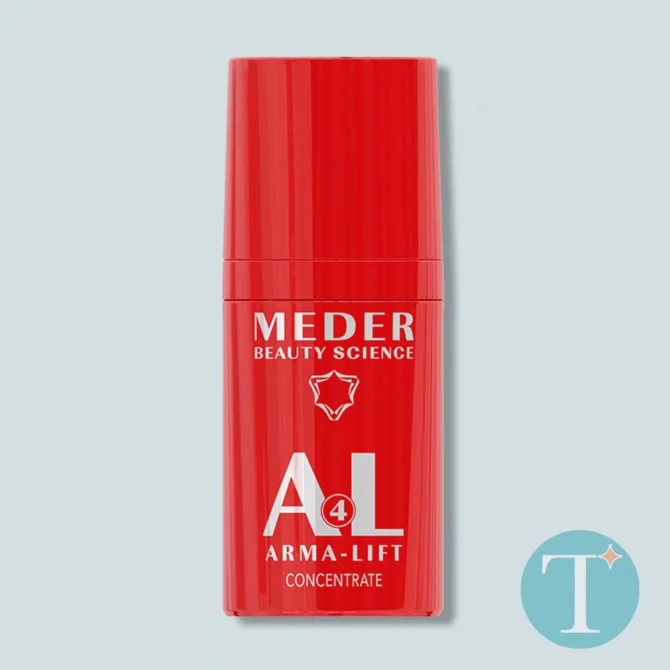
Meder Beauty Arma-Lift Age Well Firming Concentrate, £137.50, SHOP NOW
5. Boost your collagen
It isn’t just topical skincare that can help perfect your complexion post-summer. Both skin experts rave about collagen-boosters too – the reason being you want to protect and re-ramp up your skin’s collagen supplies against the depleting effect of the sun’s rays.
“Focus on collagen-boosting foods such as bone broth and dark, leafy vegetables like kale and sprouting broccoli, as well as Vitamin B sources such as sweet potato and squash,” advises Coleman. “I like to make a simple juice each morning with dark berries, ginger, turmeric and coconut water.”
“Lifestyle can’t replace skincare, but it amplifies its effects beautifully,” Dr Woods agrees. “Hydration is non-negotiable, but I also encourage collagen-supportive nutrition: vitamin C–rich foods, high-quality marine collagen peptides, and omega-3 fatty acids. Try Herology Collagen as a high-quality supplement.”
6. Prep for next summer
Autumn is also the perfect time to prep and defend for future sun exposure. After all, “prevention is always easier than correction,” warns Dr Woods. “Investing in treatments like BBL or Byonik Laser in the cooler months helps repair existing sun damage and strengthens the skin’s resilience ahead of next summer,” she suggests.
Coleman is equally glowing – if you pardon the pun – about laser-based skin rejuvenation. She suggests “Laser Genesis or Morpheus 8 to ensure the skin’s cell turnover is optimised and collagen production is stimulated.”
7. Patience is key
Finally, a bad mistake you can make with post-summer skincare is being lured in by ‘quick fixes’.
“The biggest myth is that a “good facial” will undo all the damage,” warns Dr Woods. “In reality, post-summer repair is a process that requires daily consistency and sometimes medical-grade treatments. Another myth is that once pigmentation fades in autumn, it’s “cured.” Pigmentation is a chronic condition that often needs ongoing management.”
That’s why if you have a particularly stubborn case, it’s always worth heading off to see a great practitioner.
Find out more about how to tackle stubborn pigmentation and other skin concerns in The Tweakments Guide dedicated concerns pages.
Hi, I’m The Tweakments Guide chatbot (Beta Version).
I’ve been designed to answer your questions about tweakments, skincare, practitioners, or any related concerns. For example, you can ask questions like:
“Why do I always look so grumpy?”
“What is the best treatment for fine lines?
I will try to give you the advice you need but I am currently in training so I would love any feedback you might have.

 TWEAKMENT


 By Becki Murray










 The Tweakments Chatbot