LOADING . . . PLEASE WAIT

Tweakment Finder TWEAKMENT
FINDER
CLOSE

WHAT'S BOTHERING YOU

CHOOSE AN AREA OF THE FACE OR BODY TO CHECK OUT YOUR SKINCARE AND TWEAKMENT OPTIONS

Radiofrequency

alice avatar

Written by: Alice Hart-Davis

Updated by: Becki Murray

Last Updated: 12 January 2024

Radiofrequency, often abbreviated to RF, is a type of energy derived from radio waves. Radiofrequency can be used both for skin resurfacing and for skin tightening. This page covers radiofrequency as a clinical treatment for skin tightening and skin resurfacing for both face and body. 

See the Radiofrequency Microneedling page to find out about this treatment, which is done with a device that combines these two tweakment technologies, and which delivers the RF energy deep into the skin through the tips of the needles.

See the Radiofrequency Facial page  to find out how this type of radiofrequency treatment works and what it is like to have it done.

Scroll down for all the info and FAQs about radiofrequency.

CATEGORY

Energy Devices

EXPECT TO PAY

£ 350 - 2900

Icon Ttg Time

TWEAKMENT TIME

1 hour

Icon Ttg Longevity

LONGEVITY

Up to 2 years

Icon Ttg Anaesthesia

ANAESTHESIA

Optional numbing cream

Icon Ttg Downtime

DOWNTIME

3 days

Enter your postcode

What is radiofrequency?

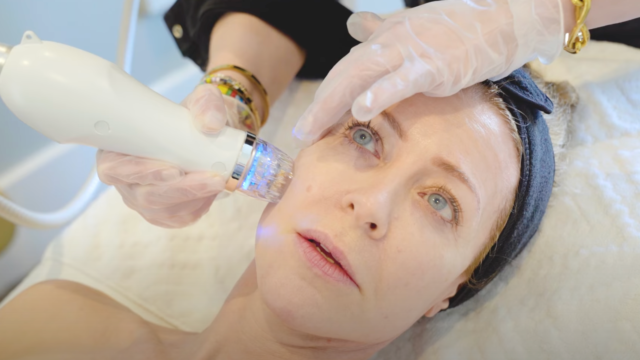
Radiofrequency, or RF, is a type of energy derived from radio waves. Radiofrequency works by delivering heat energy to the skin and the tissues below it. As a tweakment, radiofrequency heats up the lower levels of the skin, where the collagen lies, to the extent that the collagen contracts – you can think of it as ‘shrink-wrapping’ the skin. This effect of this radiofrequency treatment is to tighten sagging skin and improve its firmness. For extra effect, radiofrequency can be used in combination with focused ultrasound that tightens the muscular layer within the skin.

Radiofrequency facial with Teresa Tarmey

Radiofrequency Resurfacing 100

What does radiofrequency do?

Radiofrequency delivers heat energy to the skin and the tissues below it. As a tweakment, radiofrequency heats up the lower levels of the skin, where the collagen lies, to the extent that the collagen contracts – you can think of it as ‘shrink-wrapping’ the skin. This effect of this radiofrequency treatment is to tighten sagging skin and improve its firmness. For extra effect, radiofrequency can be used in combination with focused ultrasound that tightens the muscular layer within the skin. Radiofrequency is also used for skin resurfacing and fractional skin resurfacing.

What can radiofrequency be used to treat?

Due to its ability to stimulate collagen production and tighten sagging skin, radiofrequency can be used to reduce the appearance of fine lines and wrinkles, plump and firm the face, and improve overall skin quality. On the body, it can help tighten sagging skin, especially for your ‘bingo wings’, as well as to improve the appearance of cellulite. There are now special radiofrequency treatments for vaginal rejuvenation too, which use the energy to improve vaginal laxity and dryness, while improving pelvic floor health to tackle incontinence.

Does radiofrequency work?

Yes, radiofrequency does work – but as with any aesthetic treatment, the results will vary from one patient to another. To get the best results for yourself, make sure you choose an experienced practitioner who can identify the most suitable treatment for you and then implement it skilfully.

RELATED CONCERNS


Acne

Acne is one of the most common skin complaints out there, and one we’ve pretty much all had to deal with at one time or another. ...

Read More
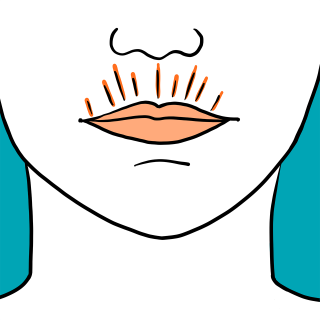
Barcode Lip Lines

The ‘barcode’ lines are the little vertical lines above the upper lip that run vertically downward into the lip. These lip lines are...

Read More
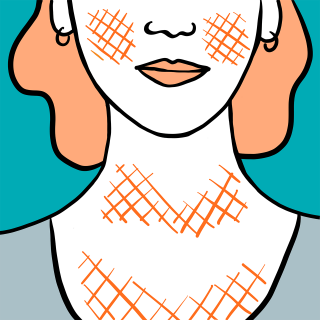
Crepey Skin

Crepe paper might traditionally make you think of birthdays and presents, but when the material’s crinkled texture also reminds you of...

Read More
Double Chin

If you have a bit of double chin and you’re not happy about it, what can you do? What causes a double chin in the first place? Don’t...

Read More
Hooded Eyes

Hooded eyes are a common sign of ageing and appear when excess skin creases and folds over the lid, which makes the eyelid appear smaller...

Read More

Brands We Love


Emface logoNeoGen

Are there any side effects to radiofrequency?

Radiofrequency treatment can have various side effects.

The following side effects typically occur after radiofrequency treatment:

  • Redness and heat. The treated area will be red and will feel hot for several hours after the treatment. This is because it has been blasted with heat energy.
  • Swelling. The treated area will be swollen for up to two days after the treatment. The swelling will gradually go down.

The following side effects can occur but should never occur if the practitioner is using the radiofrequency device correctly:

  • Thermal burns. The radiofrequency device delivers a considerable amount of heat energy, and the practitioner must make sure no part of the treatment area receives too much heat.
  • Subcutaneous fat loss. Monopolar radiofrequency treatments can reach deep enough into the body to hit the fat beneath the skin, and the radiofrequency can kill the fat cells it reaches. This can be great in a bottom-shrinking treatment, but it’s far from great in a face which is already losing its fat pads.

Is radiofrequency safe?

Radiofrequency aesthetic treatments are generally considered safe provided that the practitioner administering them is skilled and experienced with the radiofrequency device. In the hands of an unskilled practitioner, however, radiofrequency devices can cause thermal burns – no surprise, given that radiofrequency treatments routinely heat tissue to temperatures of 42 degrees C or higher – and can melt subcutaneous fat. This melting of fat can be an added bonus in body treatments which offer fat reduction and skin tightening at the same time, but most people absolutely don’t want to lose any fat from their faces – unless it is around the jowls. So your practitioner needs to be both well trained and well experienced in the use of any radiofrequency device.

Also, you should bear in mind that the UK has almost no restrictions on who can operate machinery for aesthetic procedures, such as radiofrequency devices, lasers, and ultrasound machines. Anyone can use these devices and offer treatment with them.

radiofrequency facial

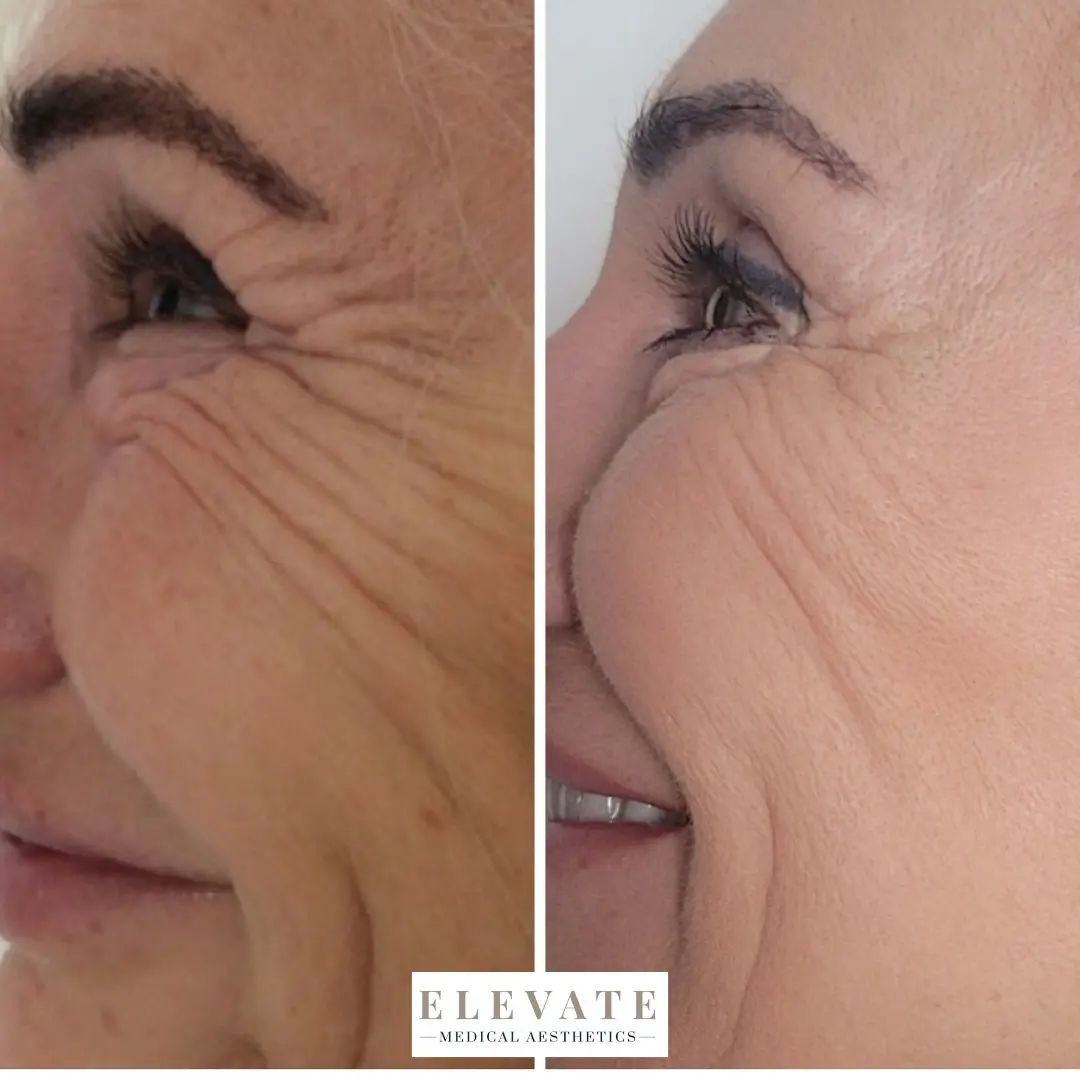
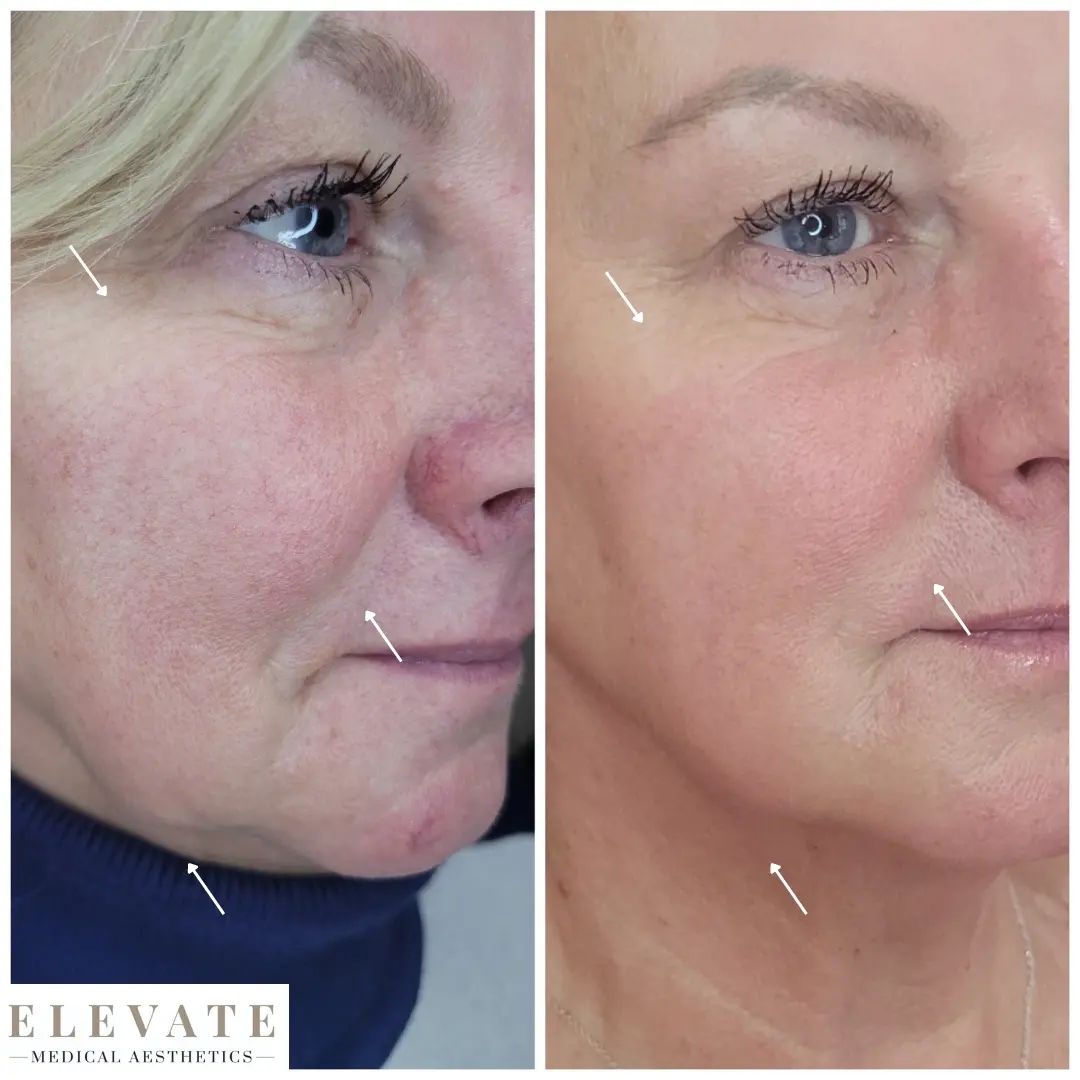
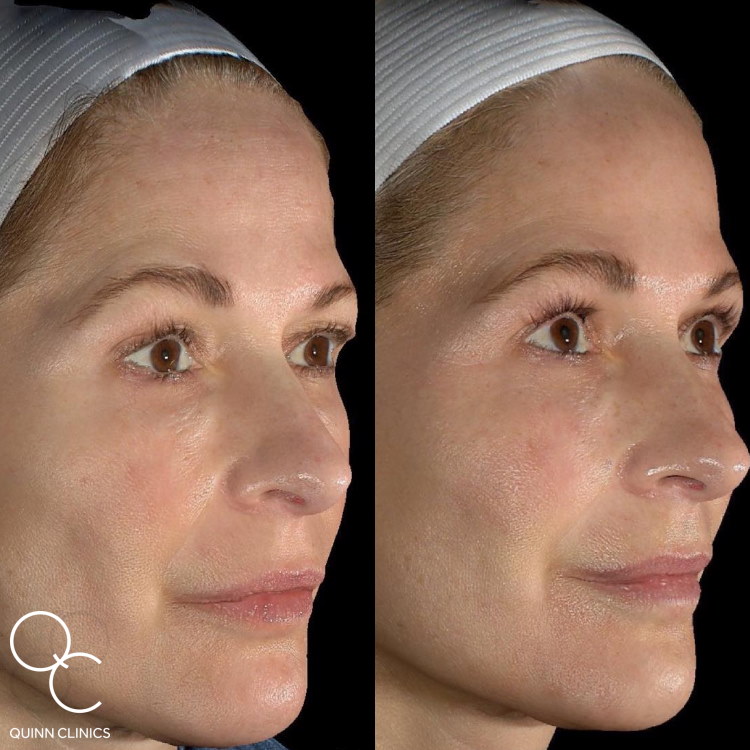
Radiofrequency - Before & Afters


Caroline Hall

Cosmetic Nurse

R&R Aesthetics, 56 Barley Hill Road, Garforth, Leeds, LS25 1DY

Caroline Hall began her career in 2005 after graduating as a nurse from The University of Bradford. She was keen to continue studying and proudly achieved a...

Kat Cane

Cosmetic Nurse-Prescriber

Face Oxford, Walton Street Wellness, 104 Walton St, Jericho, Oxford,, OX2 6EB

Kat Cane is a highly experienced aesthetic nurse prescriber and founder of Face Oxford, a respected nurse-led clinic in the heart of Oxford known for its calm,...

Rachel Staggs

Rachel Staggs Aesthetics, Roko Health Club, Hartington Road, Chiswick, W4 3UH

At Rachel Staggs Aesthetics, we believe in the power of radiant, healthy skin and are dedicated to helping our clients achieve their ultimate skincare goals....

Dr Shirin Lakhani

Cosmetic Doctor

Elite Aesthetics, 32 Grove House, Greenhithe, Kent, DA9 9XN

Elite Aesthetics was founded by Dr Shirin Lakhani MBBS MRCGP DRCOG, a GP and fully trained aesthetic physician. Our aim is to provide affordable aesthetic...

FAQ ABOUT Radiofrequency


What are monopolar radiofrequency and bipolar radiofrequency?

Radiofrequency energy is an alternating electrical current which creates an electromagnetic field that sends out radio waves, and radiofrequency devices are either monopolar or bipolar. Monopolar machines, such as Thermage, have a treatment head that delivers the radiofrequency energy, while a metal pad attached to the machine is placed under your shoulder. This radiofrequency energy can be fine-tuned to hit precise depths within the skin, up to 2cm deep.

Bipolar radiofrequency machines, on the other hand, have two electrodes on the treatment head, and the current passes between them, which means it can’t go far into the skin at all (like, only 2mm), unless it is helped to go deeper by being passed through needles sunk a small way into the skin.

You’ll find radiofrequency machines called ‘tripolar’ or ‘multipolar’, but given that electrical polarity is a plus-to-minus sort of thing rather than a plus-to-minus-to something-else-in-the-middle sort of thing, these other machines just use variants on bipolar technology. Practitioners who like using radiofrequency treatments usually prefer monopolar machines, because they offer a more flexible way to treat patients.

Where can I get radiofrequency treatment?

You can use the Find a Practitioner tool on this website to find a good, reliable practitioner for radiofrequency treatment.

How much does radiofrequency cost?

Radiofrequency-only treatment typically costs in the range £150–300 per treatment session, depending on which area you’re having treated. You will normally need to have a course of treatments to get the best results.

Treatments that combine radiofrequency with other cosmetic technologies can cost substantially more. For example, the radiofrequency-based Thermage ‘face-ironing’ treatment costs around £3,000 for the lower face and neck – but it requires only a single treatment rather than a course of treatments.

How long does radiofrequency take?

A typical radiofrequency treatment takes between 15 and 60 minutes, depending on the area being treated and the device the practitioner is using.

Before some of the more intense sorts of radiofrequency treatments, you may need to have anaesthetic cream applied to the treatment area, and to wait 20-30 minutes for the cream to take effect.

How often do you need radiofrequency treatments?

You will typically need around six radiofrequency treatments at regular intervals, such as four weeks. Some practitioners recommend more treatments – for example, eight or 10 treatments.

How long does radiofrequency last?

The effects of radiofrequency treatment should last for a good while – from several months up to a couple of years — though this depends on the original condition of your skin, and how well you look after it afterwards. Your practitioner will likely recommend that you continue to have maintenance treatments to preserve the effects as long as possible.

What is it like to have radiofrequency?

Having radiofrequency treatment varies considerably depending on which type of treatment you have. But generally speaking, the treatment goes something like this:

  • You meet the practitioner and discuss your goals. The practitioner examines you and recommends suitable treatment.
  • On the day of the treatment, you may need to have numbing cream applied to the treatment area and wait for it to take effect. Whether you need numbing cream depends on the treatment you’re having.
  • The practitioner may apply a gel to the treatment area to help the device’s treatment head slide across your skin.
  • The practitioner will move the treatment head across the treatment area, keeping it moving to avoid delivering too much energy to a single area.
  • With other types of radiofrequency device, the skin is marked out with a grid pattern, and the practitioner works the device across the grid, section by section, to bring each area up to the required temperature.
  • Your skin will start to feel warm or hot.
  • After treatment, your skin will be red and will feel hot for several hours. It may be swollen for up to two days afterward.

How is radiofrequency used for skin resurfacing?

Radiofrequency can also be used for resurfacing the skin, by working more deeply into the skin. This is done by using a technique called ‘fractional radiofrequency’ which is carried out with a variation of the radiofrequency device. This is also know as radiofrequency microneedling (which you can read about on its own Tweakment page).

What is fractional radiofrequency?

If you have heard of fractional treatment, it may well have been in the context of ‘fractional’ lasers which use concentrated light to bore tiny channels of damage into the skin in order to stimulate the wound-healing response that leads to the production of fresher, stronger clearer, smoother skin.

Fractional radiofrequency treatment seeks to make the same sort of deeper channels of damage into the dermis, the layer of the skin where the collagen lies, but it does it in a different way. For fractional use, the treatment head of the radiofrequency device is equipped with a large number of tiny needles (the microneedling part of radiofrequency microneedling). These are driven into the skin, and the radiofrequency energy is driven through them, deeper into the skin. Usually, the needles are insulated, except for their tips, so that the radiofrequency energy they dispense is delivered directly to the dermis, rather than dispersed into the rest of the skin that the needles are passing through.

What are the benefits of fractional radiofrequency?

Having fractional radiofrequency will not only give you the skin-tightening benefits that other radiofrequency treatments offer, but will also refresh and smooth the surface of the skin by generating a greater amount of new collagen within the skin.

Using needles to create micro-channels of damage enables the skin to heal itself faster than you would expect, because between each of the channels of damage is a portion of untreated, undamaged skin. So the skin isn’t trying to heal the whole of itself at once.

What is it like to have fractional radiofrequency?

In my experience, it’s challenging, but it’s worth it as the treatment gets great results. If you have already flinched at the mention of repeated needling – you’re right, it is not comfortable, but your practitioner will give you enough numbing cream beforehand to make sure that you are comfortable.

  • First, you will have a consultation with your practitioner and a discussion of your treatment goals.
  • On the day of treatment, your appointment will start with the application of anaesthetic cream for up to half an hour, which is cleaned off before treatment starts.
  • Your practitioner will work the device steadily across the areas to be treated, delivering needled shots of radiofrequency energy as they go, until all areas of the skin have been covered.
  • You will feel each pulse of the needles and radiofrequency – but it should be tolerable.
  • Your skin will feel warm once treated.
  • Your skin will look really quite red after treatment – the sort of colour where you will prefer not to have to take public transport home.
  • This redness will calm down over the next day or two, and will look like a fading sunburn. Your skin will start to feel rough as it heals, as the channels of damage in the skin will be healing up and creating new collagen, and pushing out the old, dead skin cells on the surface.
  • As the new skin comes through, it will leave the whole surface of the skin smoother, firmer and tighter.
  • You will see the best results after a course of treatment, perhaps alternating tightening radiofrequency treatments with deeper resurfacing ones.

Is radiofrequency safe for dark skin?

Yes, unlike laser and IPL treatment, radiofrequency is almost always safe to use on all skin types.  Laser and IPL both use light energy to target melanin, the brown pigment in the skin, which makes them tricky to use on skin types IV, V and VI – that is, light brown, darker brown and black skin — without causing damage and either hyperpigmentation (extra pigmentation) or hypopigmentation (a lack of pigmentation, or de-pigmenting of the skin).

But if you use radiofrequency energy (rather than light energy) to heat up the collagen in the skin, it can do this without harming or provoking the melanin.

Which is a long-winded way of saying that yes, radiofrequency is a great choice of treatment for tightening darker skin.


ASK ALICE

Alice answers your question. Want to ask Alice a question? Pop it in here and check back in a few days for the answer.

I have had skin own micro needling and then 2 x Morpheus 8 treatments to form my skin. Following my second Morpheus 8 treatment I have been left with scars around my eyes which make my crows feet worse. I am 55 and feeling that I want to make...

I am so sorry to hear what you've been through, this sounds dreadful. Did the practitioner who did this to you have any explanation or make any apology for what has happened? I'm not in a position to offer you specific advice but would suggest you need to find a sympathetic and highly qualified practitioner to offer you some support and advice - starting with effective, appropriate skincare and then perhaps some gentle treatments to coax your skin into better shape - though I'd understand if you felt reluctant to try anything further. Have a look at the Tweakments Guide's recommended practitioners in your area using the search tool in...

Hi Alice - I’ve been looking at the before and after pics on your video with Bob Khanna on bio filler / polynucleotides. Impressive results, but if you go onto Bob Khanna’s website, you’ll see the same patient and visuals, but the results are...

Hi, I know the pictures you mean; it's the same patient in both but they are two different treatments filmed a good 18 months apart. We filmed her having biofiller/polynucleotides with Dr Khanna about a year ago (ie April 2023, here's the video) and we filmed her having the combined treatment with radiofrequency, threads and PRP during the summer of 2021, and published the video online in March 2022 -here's the video of that procedure- I think her before and after pictures will look similar because they're always taken in the same room with the same lighting and from the same different angles, for consistency....

Do you have an update on the Emface tweakment?

I have to say it looks really good, I am going to book myself in soonest so I can report on what it does for me!

Hi Alice. I'm hoping you can help me as I've had so many different opinions. I'm looking for some honest advice; I am 60 (just gone), active, fit and use Medik8 skincare with a few other bits thrown in. I'm looking to have some treatments and torn...

Hiya, TTG editor Georgia here. It really depends on what your concerns are and what sort of results you're looking for. HIFU is more often than not a facial treatment, while Emsculpt Neo is for the body, so do you want to treat your face or your body? The best thing to do would be to book in with a fab practitioner near you for a consultation. That way you can get all your questions answered and have a proper assessment.

Best skin-tightening option please Alice – HIFU (any sort?), Sofwave or Emface? I am 52 years old

Hiya, TTG editor Georgia here. It's hard to say as they all work differently and have different merits depending on the exact indications and your individual face. I'd book in for a consultation with a practitioner who offers a good selection of options and get their opinion.

If money is not in abundance and you wanted to do a treatment, what would you say are the best ones to do? I’m 54 and recently have noticed I’m really ageing! Have a small amount of toxin on my 11s and forehead. But I’ve noticed lines on my...

Great question – the difficulty with answering it is that different tweakments work on different aspects of the signs of ageing that we see in our faces. So, yes, a small amount of toxin will relax the lines on your forehead. Creating a lift in the face usually needs filler, placed deeply to recreate the structure in the face that time is taking away (we lose volume from the bones in our skull as well as from the fat pads, so the skin starts to hang a bit looser, it's a bit like losing weight inside a dress that used to fit like a glove), plus skin-tightening treatments from devices such as laser, or ultrasound, or radiofrequency – and...

I have had an Ultracel treatment and am wondering what you would recommend as maintenance or something to prolong the effects. I was thinking along the lines of Morpheus8 but would be really interested to know what you think.

Hiya, TTG editor Georgia here. First, did you have just one Ultracel treatment or a course? Most people need three, and your practitioner should advise you on what is appropriate for your face. If you had the course and aren't happy with the results, I'd go back to your practitioner and explain where you feel the treatment may not have addressed your concerns and see what else they suggest. But if you are happy with the results and it's just maintaining them that you're worried about, the effects will continue to develop for up to six months, so wait until then and just have a top up session as and when you feel you need it. Again, your...

Hi Alice, I’m currently on a weight loss journey and have lost 34 pounds. I now have a crepey jowl area under my chin and I just hate it. I have more to lose so I guess I’m better off waiting until I’m at a healthier weight. My beautician...

Hiya, TTG editor Georgia here. Yes, definitely wait until you’ve lost as much as you’d like to. Then, book in with an expert practitioner for a consultation to see what they’d advise, taking into consideration your recent weight loss and any implications that might have. It may well be that a course of skin-tightening treatments like radiofrequency or HIFU would do the job, perhaps with a couple of rounds of injectable moisturisers too, to improve that skin quality and smooth the crepey texture. If not, they can refer you onwards to a surgeon to discuss a surgical lift....

I'm having Forma at a clinic, what can I do to carry on the treatment at home? My main concern is eye bags and hooded eyes. I'm 42 not ready to go down the surgery route. Thank you 🙂

Hiya, TTG editor Georgia here. As Forma is a radiofrequency treatment that works deeper under the skin, there’s nothing you can do to – or need to do – at home, apart from following your aftercare advice. Just let it do its job and consider a maintenance treatment every year or so after your initial course.

What do you think about Orlaya Skin DermaDeep RF? Is it effective in comparison with other RF devices? On the other hand, I'd like your opinion about Oxyjet Go and if it is OK to use with my own serums. Thank you in advance!

I think the Orlaya Dermadeep looks fab, and practitioners speak well of it (unusual for a home-use device!) as it's strong enough to be effective. I don't know the home-use Oxyjet device but the in-clinic version is a nice, gentle skin-rejuvenation treatment. Re using your own serums, it might work ok with your own water-based serums, though if the brand has a product which is specially formulated to enhance the results of its device, I reckon it's worth using to see what results you get, before downgrading to another product that may or may not do the job.

I’m looking for solutions for under-eye wrinkles. I’m 61.

Start by using a really good eye cream which will help smooth the appearance of the wrinkles, then I'd suggest reading up on the various tweakments that can help with under-eye wrinkles, like laser and radiofrequency. Take a look at this recent Tweak of the Week video, too. You can see how much radiofrequency microneedling improved Linda Lusardi's under-eye area. Next, find a fab practitioner in your area and have a consultation with them to see what treatments they can suggest that you would be comfortable trying....

Hi Alice. I get RF facials done and I also had HIFU last September. I just had another round of HIFU done. What I want to ask is, I bought the Sensica Sensilift RF handheld tool mini version – has this had good results?

Hi the Sensica ought to give results if you use it enough, but as with all home-use devices you will need to be very consistent with it, follow the instructions to the letter and use it as much as they tell you to, in order for it to get a chance to work like it's meant to.

single-tweakments.php

ASK A QUESTION

Hi, I’m The Tweakments Chatbot. I have been designed to help you get information and advice on your concerns.

0/200

By using this service you agree to our terms and conditions and privacy policy

Thank you for using The Tweakments Chatbot. We would like to know how was your experience with us today. Can you spare a minute to share your feedback?

Was the chatbot helpful in finding what you were looking for today?

Yes No

In few words could you please tell us why, so we can improve your experience in the future.

Would you use the chatbot next time you visit the website?

Yes No

In few words could you please tell us why, so we can improve your experience in the future.

Overall, how would you rate your experience using The Tweakments chatbot.

Thank you for your feedback.

Close